Joint Mediation – A Closer Look at How the Process Works
What happens in Joint Mediation?
Joint mediation is a structured and collaborative process that helps divorcing and separating couples reach agreements on important issues, such as child arrangements and financial settlements, without the need for court intervention. It can be a quicker, more cost-effective, and more amicable way to settle disputes.
This blog explores what to expect from joint mediation, including the number of sessions typically required and key considerations for both child arrangements and financial matters.
What is Joint Mediation?
Joint mediation involves both parties meeting with a trained, impartial family mediator to discuss their concerns and work towards mutually acceptable solutions. The process follows an initial Mediation Information and Assessment Meeting (MIAM), where each party attends individually to assess whether mediation is suitable for their situation.
Mediation is voluntary, confidential, and focused on finding practical solutions. It is especially beneficial in family matters, as it prioritises the well-being of any children involved and aims to reduce conflict.
Joint Mediation for Child Arrangements

When parents separate, agreeing on child arrangements – such as where the child will live, how time will be shared, and decisions about schooling and holidays – can be challenging. Family Mediation helps parents reach agreements that work in the best interests of their children.
How the Process Works
- Initial MIAMs – Each parent attends an individual session to understand the process and determine if mediation is suitable.
- Joint Mediation Sessions – Parents come together (in the same room or via shuttle mediation if necessary) to discuss and agree on child arrangements.
- Parenting Plan – The mediator helps draft a plan covering key issues, including routines, communication, and decision-making.
- Legal Formalisation (Optional) – While mediation agreements are not legally binding, they can be made so through a Child Arrangements order.
Government Voucher Scheme
The UK government offers a Family Mediation Voucher Scheme, which provides financial support of up to £500 per case to help cover mediation costs. This scheme applies to cases where child arrangements are being discussed. Many parents find this helpful in reducing the financial burden of resolving their disputes through mediation rather than the courts.
How Many Sessions Are Needed?
The number of sessions varies depending on the complexity of the case and the willingness of both parties to cooperate. On average:
- Straightforward cases (e.g., agreeing on a weekly schedule) may be resolved in one to two sessions.
- More complex cases (e.g., disagreements over schooling, relocation, or communication difficulties) may require three to four sessions.
GET IN TOUCH TO FIND OUT HOW MEDIATE UK CAN HELP WITH YOUR PARENTING OR FINANCIAL DISPUTE, OR WITH A DIVORCE OR SEPARATION.
CALL 0330 999 0959 OR CLICK HERE FOR A FREE 15-MINUTE CONSULTATION
Joint mediation for Financial Matters

Mediating financial matters helps separating couples decide how to divide assets, property, pensions, and debts. It ensures both parties have a clear understanding of their financial positions and can reach a fair settlement.
How the Process Works
- Financial Disclosure – Each party provides full and honest disclosure of their finances, including income, savings, property, and debts.
- Joint Mediation Sessions – Discussions focus on asset division, spousal maintenance (if applicable), and future financial arrangements.
- Open Financial Statement – The mediator drafts a summary of each party’s finances to facilitate discussions.
- Memorandum of Understanding – If an agreement is reached, the mediator drafts this document outlining the agreed financial settlement.
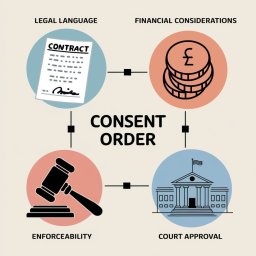
- Legal Formalisation – The agreement can be made legally binding through a consent order, submitted to the court for approval.
The Importance of Financial Disclosure
Transparency is key to reaching a fair financial settlement. Without full disclosure, agreements may be challenged later or deemed unenforceable by the court. Mediators help guide couples through this process, ensuring all necessary financial information is shared.
If either party refuses to provide a financial disclosure, mediation cannot proceed, as full transparency is required for a meaningful discussion and fair resolution.
How Many Sessions Are Needed?
- Straightforward financial cases (e.g., limited assets, no children, and mutual agreement) may be resolved in two to three sessions.
- More complex cases (e.g., multiple properties, pensions, or business assets) may require four to six sessions.
The Benefits of Joint Mediation
- Cost-Effective – Mediation is significantly cheaper than court proceedings.
- Quicker Resolution – Agreements can often be reached within a few months, compared to the lengthy court process.
- Reduced Conflict – Mediation promotes constructive discussions rather than adversarial disputes.
- Greater Control – Both parties have a say in the outcome, rather than a judge making the decision for them.
- Confidential – Discussions remain private, unlike court proceedings which can be made public.
Next Steps – How to Begin Joint Mediation
If you are considering mediation for child arrangements or financial matters, the first step is to book a MIAM. A Mediation Information and Assessment Meeting (MIAM) is a mandatory initial session where a trained mediator explains how mediation works and assesses whether it is suitable for your situation. Each party attends separately to discuss their concerns and determine if mediation is the right approach for resolving disputes. The mediator will also provide information on alternative options, such as solicitor negotiations or court proceedings, if mediation is not appropriate.
Attending a MIAM is a legal requirement before applying to court for child arrangements or financial orders, unless an exemption applies. If both parties agree to proceed with mediation, joint sessions will then be arranged to start working towards an agreement.
At Mediate UK, we offer professional and impartial family mediation services to help you move forward amicably. To find out more about the process contact us today.
Call us on 0330 999 0959
Email us at admin@mediateuk.co.uk
Book a free 15-minute consultation here.
Mediation can provide a positive way to resolve disputes and create lasting agreements that benefit everyone involved. Get in touch with us today to start your journey towards a fair and amicable resolution.