When do CAFCASS Recommend No Contact?

In family law cases across England and Wales, CAFCASS (Children and Family Court Advisory and Support Service) plays a vital role in upholding children’s welfare when disputes arise. A key part of their role is assessing and recommending child arrangements, including when it may be in the child’s best interests for a parent to have no contact.
The Role of CAFCASS
CAFCASS is an independent organisation that assists children and families in family court matters, ensuring child welfare remains the priority. In cases involving separation, divorce, or other disputes, CAFCASS’s main responsibilities include:
- Safeguarding Children – Assessing each child’s situation to ensure their safety and well-being.
- Advising the Court – Providing expert reports to recommend arrangements that will best serve the child.
- Facilitating Mediation – Assisting parents in reaching agreements to avoid court where possible.
When Might CAFCASS Recommend No Contact?
CAFCASS recommendations are rooted in the principle of the child’s welfare being paramount, following the guidelines of the Children Act 1989. CAFCASS may recommend no contact between a parent and child in situations where certain factors from the act’s “welfare checklist” are at play:
-
Risk of Harm
If CAFCASS identifies a risk of physical, emotional, or psychological harm to the child, they may advise against contact with that parent. This risk might involve cases of domestic abuse, substance misuse, or serious mental health concerns that could compromise the child’s safety.
-
Wishes and Feelings of the Child
The child’s own views may be considered, particularly if they are old enough and mature enough to express them. If the child strongly opposes contact with a parent and CAFCASS believes it aligns with the child’s best interests, they might support limited or no contact.
-
Stability and Consistency
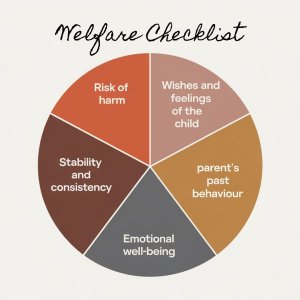 A stable environment can be crucial for a child’s well-being. CAFCASS may recommend limiting contact if it could disrupt the child’s routine or cause distress, as consistency often fosters emotional security for children.
-
Parent’s Past Behaviour
The parent’s history, particularly in cases involving neglect, violence, or other behaviour that might pose a risk to the child, is carefully reviewed. A pattern of concerning behaviour could lead CAFCASS to recommend no contact.
-
Emotional Well-being
If CAFCASS believes that contact with a parent may cause significant emotional harm or distress to the child, they may recommend no contact as the best way to protect the child’s mental and emotional health.
The Legal Process and CAFCASS Recommendations
While CAFCASS reports are influential, they are not determinative. The family court will consider these recommendations alongside other evidence.
Parents have the right to challenge CAFCASS findings by presenting evidence of their own, but judges often regard CAFCASS recommendations as an essential guide due to their independence and focus on safeguarding.
When CAFCASS suggests no contact, the court will carefully review their reasoning to determine if it aligns with the child’s best interests.
Ultimately, the judge will make the final decision, prioritising the child’s welfare.
Summary
CAFCASS’s role in safeguarding children means their recommendations carry substantial influence, especially in sensitive situations. A recommendation for no contact is never made lightly; it involves a thorough assessment and consideration of various risk factors.
For parents involved in disputes, engaging with CAFCASS constructively and addressing any concerns they raise can be key.
At Mediate UK, we help families reach amicable agreements that focus on the child’s well-being. If you are working through child arrangement issues, contact us today to see how family mediation could help.
Call us on 0330 999 0959 or book a free 15-minute consultation here.