What is a Pension Sharing Order, and Do I Need One?
Divorce or separation often includes financial agreements that can be complex, especially when pensions are involved. For many couples, pensions represent a significant part of their financial future, and it’s important to understand how they might be divided upon separation.
This is where a Pension Sharing Order (PSO) comes in, offering a way to fairly divide pension assets. This blog will explore what a PSO is, how it works, and when it might be the right choice.
What is a Pension Sharing Order?
A Pension Sharing Order is a court order used to divide pension assets as part of a financial settlement during a divorce or civil partnership dissolution. The order allows one partner to receive a portion of the other partner’s pension, ensuring that both individuals have provisions for retirement.
Under the laws of England and Wales, pensions can be shared in three primary ways:
- Pension Sharing Order – The pension is divided at the time of the divorce, with a share transferred to the ex-partner’s pension pot.
- Pension Offsetting – One partner may keep their pension in exchange for giving the other partner a greater share of other assets, such as the family home.
- Pension Attachment Order – A less common method, where one partner receives payments directly from the other’s pension when they retire.
How Does a Pension Sharing Order Work?
A PSO works by legally dividing the pension fund so that a specified percentage of one partner’s pension is transferred into a new or existing pension scheme for the other partner. The receiving partner can then manage their share as an independent pension, which is not affected by the payer’s decisions after the split. For example, if the ex-partner with the original pension decides to retire early, this doesn’t impact the recipient’s pension share.
The process generally involves these steps:
- Pension Valuation – All pensions are valued, which may require a valuation called a Cash Equivalent Transfer Value (CETV).
- Court Order – Once the percentage split is agreed upon, the court issues the PSO as part of the financial settlement.
- Transfer – The specified pension share is transferred to the other partner’s pension fund, who may choose to leave it or reinvest in another fund.
Do I Need a Pension Sharing Order?
Deciding whether to use a Pension Sharing Order depends on several factors. Here are a few considerations:
Length of Marriage or Civil Partnership
Longer marriages tend to build more substantial shared assets, including pensions. If one partner sacrificed their career to care for children, for instance, a PSO can help ensure fair financial provisions for both parties in retirement.
Age and Retirement Plans
Age is an important factor. Couples closer to retirement age may be more inclined to divide pensions since the future retirement income can be critical for both parties.
Alternative Financial Arrangements
Other ways to divide assets may be more suitable in some cases, such as pension offsetting. This option may make sense if one partner prefers to keep a larger portion of a non-pension asset, like the family home, in exchange for giving up a share of the pension.
Overall Financial Situation
Couples with substantial pension assets may find a PSO to be the most straightforward option for ensuring each partner’s retirement security, while others with minimal pension funds may prefer simpler financial divisions.
Tax Considerations
Pensions have specific tax rules, and moving funds into a pension scheme can offer tax advantages. A solicitor or financial adviser can help weigh the benefits in your unique situation.
How to Obtain a Pension Sharing Order

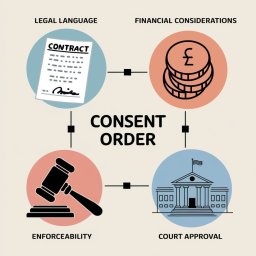
If you and your partner agree to share pensions, a PSO is obtained by submitting the agreement to the court as part of a Consent Order. If you cannot agree, the court may issue a PSO after reviewing each party’s financial needs and resources. In either scenario, a court must be involved, and you’ll need a solicitor to formalise the agreement.
Alternatives to Pension Sharing Orders
In cases where a PSO is not ideal, consider these options:
- Pension Offsetting – If you have other valuable assets, like property, offsetting can allow you to keep your pension while allocating other assets to your ex-partner.
- Deferred Pension Sharing – This can be used when one partner’s pension will only vest at a future date, and the value is too uncertain to divide now.
- Pension Attachment Order – Though rare, this order allows the court to allocate a portion of future pension income to an ex-partner.
Seek Professional Advice
Deciding on the best approach to pension division can be complex, and it’s often helpful to consult with both a financial adviser and a family mediator. At Mediate UK, our family mediators can help you explore pension options in a constructive environment, ensuring that both parties understand the choices and find a solution that works best for their circumstances.
Summary
A Pension Sharing Order can provide a fair way to divide pension assets after a divorce, but it isn’t always the right solution for everyone. Consider the specifics of your marriage, financial needs, and retirement goals. If you need help deciding, a family mediator can guide you through the options and help you reach an amicable agreement.
For more personalised guidance, book a free 15-minute consultation with Mediate UK to discuss your situation further. Alternatively, our free AI chat tool is available on our website to answer common questions about pensions, separation, and family mediation.